
A pioneering treatment that could help paralysed dogs regain movement is being offered by the neurology clinic at Bristol Vet Specialists in Severn Beach, giving renewed hope to pet owners whose dogs have suffered severe spinal cord injuries.
Previously researched, the treatment uses olfactory ensheathing cell (OEC) transplantation, a highly specialised procedure that aims to repair damaged nerve pathways within the spinal cord.
The treatment is designed for dogs left paralysed after serious spinal injuries, often caused by slipped discs - a devastating condition that mainly affects breeds such as Dachshunds, Cocker Spaniels, and other breeds known as ‘chondrodystrophic’.
Spinal cord injury is one of the most heartbreaking diagnoses an owner can receive. In the most severe cases, dogs lose the ability to walk, feel their limbs or control their bladder and bowels. If no improvement is seen within the first three months following injury and surgery, recovery is usually considered unlikely.
That is where OEC transplantation offers new possibilities. Unlike traditional treatments, which focus on removing compression away from the spinal cord to prevent further damage, OEC transplantation targets the injured spinal cord itself. The cells used in the transplant are taken from the dog’s own olfactory system - the nerve tissue involved in the sense of smell - which has a unique natural ability to support nerve repair.
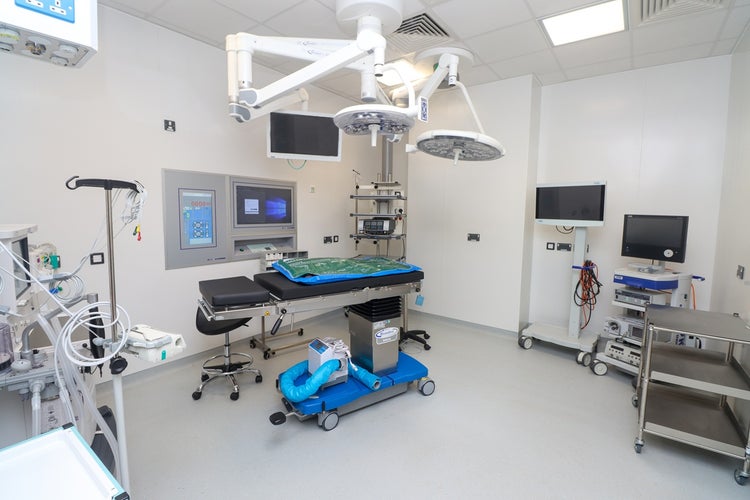
These cells are grown in a laboratory before being carefully transplanted into the damaged area of the spinal cord under advanced imaging guidance. The aim is to encourage reconnection between the brain and the nerves below the level of the injury, thereby allowing some dogs to regain voluntary movement.
The treatment builds on years of veterinary and medical research, where scientists have explored how combining cellular therapies with molecular approaches may improve recovery after spinal cord injury. While the treatment is not a cure, clinical studies have shown that a proportion of severely affected dogs can achieve meaningful improvements in their ability to walk.
CVS Bristol Vet Specialists is the only centre in the UK offering this advanced procedure. The hospital has recently refined its techniques and is relaunching the service as part of its ongoing commitment to cutting‑edge veterinary medicine.
Importantly, the hospital is not just offering treatment - it is also actively involved in research. As part of an ongoing clinical research project, CVS Bristol Vet Specialists is currently recruiting dogs with severe, long‑term (thoraco-lumbar) spinal cord injuries to be considered for cell transplantation as part of an MRI study looking at the distribution of cells within the spinal cord. The research will help Bristol Vet Specialist clinicians better understand how outcomes can be improved in the future.
Owners of dogs who remain paralysed three months or more after spinal injury are encouraged to speak to their vet about referral. For more details, visit Bristol Vet Specialists or email neurology@bristolvetspecialists.co.uk