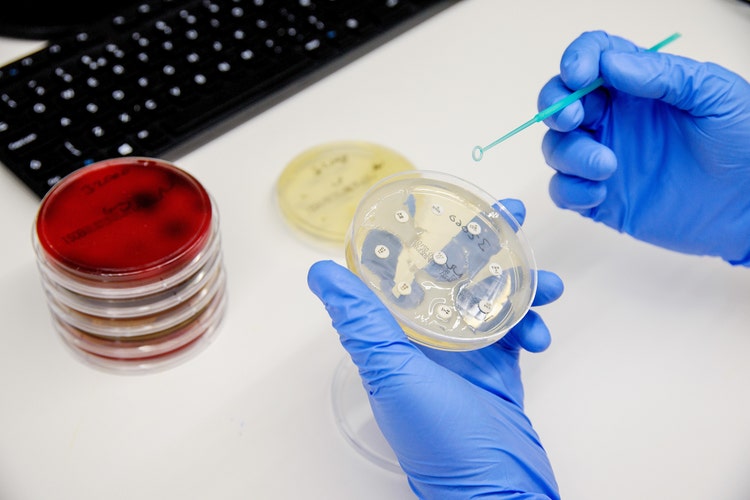
CVS has announced the successful completion of the first phase of its involvement in a major UK‑wide antimicrobial resistance (AMR) surveillance project, marking a significant step forward in strengthening national understanding of AMR in companion animals, farm species and horses.
The Veterinary Surveillance Networks (small animal, equine and farm) and the VetCLIN-AMR initiative, brings together private veterinary microbiology laboratories with academic experts from the University of Liverpool to develop harmonised, large‑scale AMR surveillance across the UK.
As one of the UK’s largest veterinary laboratory providers, CVS Labs processes a high volume of diagnostic samples nationally. Its participation has significantly enhanced the depth and breadth of the national AMR dataset, providing detailed microbiology and antimicrobial susceptibility testing information from across the country as well as contributing to schemes to harmonise laboratory methodologies.
In turn, CVS has gained access to valuable insight on emerging resistance mechanisms, improved interpretation frameworks, bespoke proficiency testing scheme and early warning information designed to inform AMR surveillance and support responsible antimicrobial prescribing throughout its clinical divisions.
The project began with a comprehensive data‑sharing phase. CVS shared thousands of anonymised bacterial culture and susceptibility testing results, along with species information, sample details and any unusual or notable resistance patterns. This large dataset provided the foundation for analysing national trends and identifying where further investigation was required.
Following this initial phase, the University of Liverpool requested bacterial isolates from participating laboratories to support deeper phenotypic and genomic analysis. CVS has since provided around 300 E. coli isolates, along with hundreds of additional bacterial isolates across small animal, equine and farm animal cases.
Ongoing whole genome sequencing work enables further identification and typing of resistance genes and mechanisms that are not always detectable through routine culture and susceptibility testing. The insights generated are shared back with CVS and other partners, ensuring that the diagnostic standards used in practice continue to reflect the most current scientific understanding.
Throughout the project, CVS has collaborated closely with wider initiatives to support harmonisation of testing standards. This has included aligning approaches to bacterial culture, antimicrobial susceptibility testing, interpretation of complex resistance mechanisms and documentation of AMR findings. Consistency in methods and reporting across UK diagnostic laboratories, is seen as essential to improving the quality and comparability of national data and supporting improved clinical decision‑making for vets across the UK.
Early benefits of this collaboration are already being realised. One practical example is improved reporting of penicillinase‑producing bacteria - organisms capable of breaking down penicillin‑type antibiotics. Previously, diagnostic reports might only have noted resistance to individual drugs. Now, following work with Liverpool’s AMR experts, CVS Labs can confidently advise that all penicillinase-labile penicillins (e.g., penicillin G, ampicillin, amoxicillin) are likely to be ineffective in such cases. This provides frontline clinicians with clearer, more actionable guidance and reduces the risk of ineffective or unnecessary antimicrobial use.
Gareth Weaver, Head of Microbiology at CVS Axoim Labs said:
The companion animal initiative is funded by the Veterinary Medicines Directorate (VMD) under the Private Laboratories Initiative (PLI). The Farm animal (FAVSNET) initiative was supported by the Welsh Government as part of its Arwain DGC programme of research. The Equine (EVSNET) AMR research is funded by the Horserace Betting Levy Board (HBLB).
CVS is one of the UK's leading integrated veterinary services providers, supporting companion animal, farm animal and equine clients through a nationwide network of practices, referral hospitals and veterinary services.